
When the mould is on the inside, but the failure is in the cavity

The damp patch is not the diagnosis
The damp patch on your wall is not the diagnosis. It is the indicator.
A cavity wall is supposed to stop moisture transferring from the outer leaf to the inner leaf. If that gap becomes bridged by rubble or badly performing insulation, rainwater can move across the wall and show up indoors as staining, mould and a room that gets unfairly blamed.
Why “just condensation” can be too small an answer
This is where too many conversations go wrong. The mould is visible, so the room gets blamed. The window gets blamed. The tenant gets blamed. Sometimes the wall itself barely gets a mention.
RICS is clear that damp diagnosis can be complex, and that many problems casually described as “damp” are symptoms rather than root causes. The same guidance warns that “rising damp” is often misdiagnosed and that the first job is to identify where the moisture is actually coming from before prescribing treatment.
That matters because a colder wall surface can be part of the same story as failed cavity insulation. RICS’ professional building-pathology guidance says retrofitted cavity insulation can be installed incorrectly, may slump or block vents, and can then contribute to cold bridging, condensation, mould growth and damp.
The outside clues people miss
If the issue is worst on an exposed elevation, flares up after heavy rain, sits mainly on external walls, or keeps returning after cleaning and repainting, do not stop at the word condensation.

RICS tells owners to check gutters, rainwater pipes, pointing, render, raised ground levels, bridged cavities and blocked vents. Energy Saving Trust adds that cavity wall insulation may be unsuitable where a property is exposed to extreme weather (exposure zone 4) or flooding, in poor condition, or has narrow cavities under 50mm.
In other words, the cavity question is usually part of a bigger fabric question. Is rain getting in? Is old retrofit insulation still dry / performing? Is the cavity still clear? Have vents been blocked? If you do not answer those questions, you are not repairing the cause. You are managing the symptom.
What a proper next step looks like
Start with evidence, not assumptions.
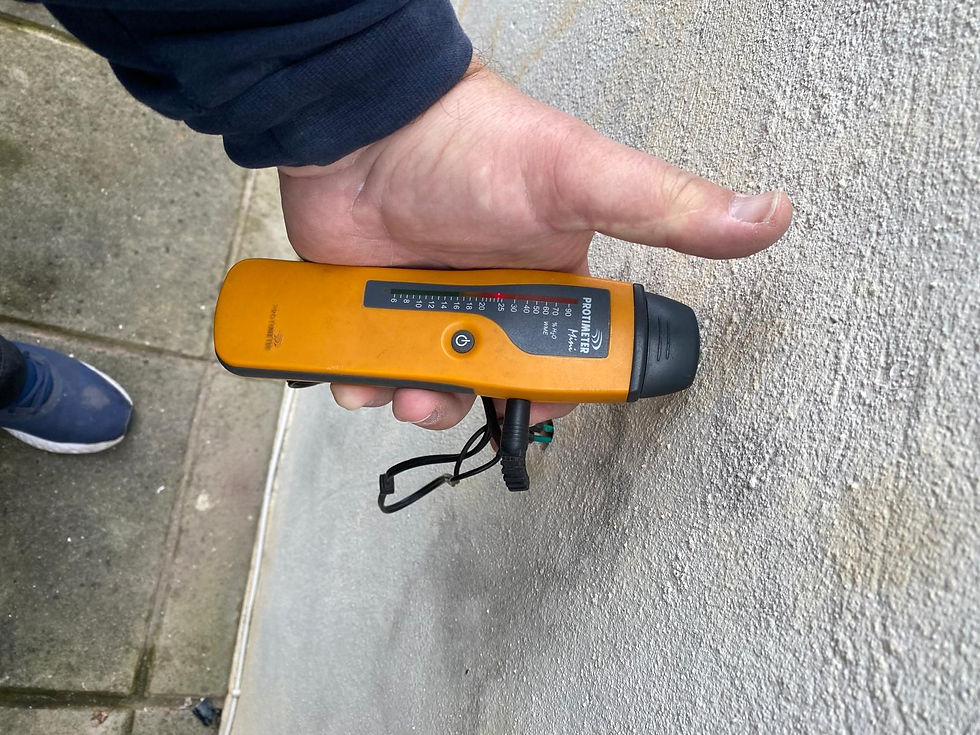
A sensible inspection should look at the outside fabric first, then use the right diagnostic tools to understand what is happening inside the wall. Cavity Extraction Ltd already positions borescope inspection, thermal imaging, and damp testing as core services precisely because hidden cavity defects cannot be judged properly from surface staining alone.
Sometimes that process will show the insulation is not the real problem. Energy Saving Trust explicitly notes that damp after insulation can also result from poor maintenance or other unrelated defects. But if the cavity insulation is wet, bridged or filled with defective insulation, extraction and follow-on remediation may be the first honest step towards a dry wall.
If mould keeps returning on an external wall, stop arguing with the symptom. Inspect the cavity, inspect the building envelope, and make the diagnosis before you spend more money on a cosmetic fix or unnecessary absorbent tanking systems.
About the author
Damian Mercer is Director of Cavity Extraction Ltd, a specialist contractor focused on failed cavity wall insulation, damp, mould and related building-fabric defects. Public records show Damian as the company’s active director, while the business is publicly listed on TrustMark and presented on its own site as a specialist in cavity extraction, thermal imaging and remedial advice.
Damian also appears in industry media discussing the wider impact of failed cavity wall insulation. He writes practical guidance for homeowners, landlords and housing professionals who need clear, evidence-led advice on moisture, retrofit and property condition issues.


Comments